Can I get dental implants if I have gum disease in Sunbury?
Usually yes, but not immediately. Active gum disease must be treated and stabilised before implant placement. Once your gums are healthy, many patients with a history of periodontal disease become successful implant candidates with proper planning and ongoing maintenance.
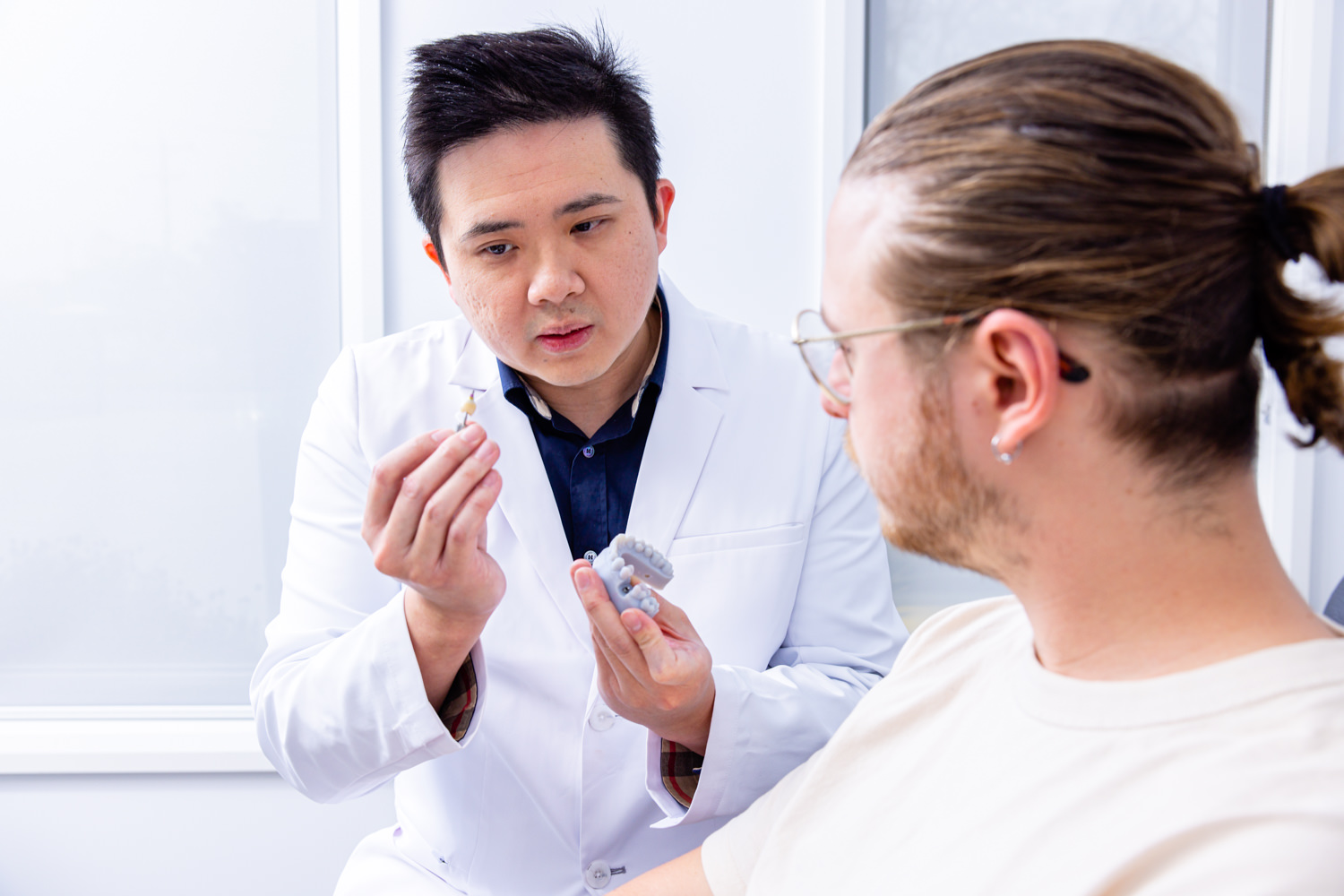
Gum disease does not automatically disqualify you from dental implants, but it does change your treatment pathway. Active infection threatens implant success, so addressing periodontal health comes first.
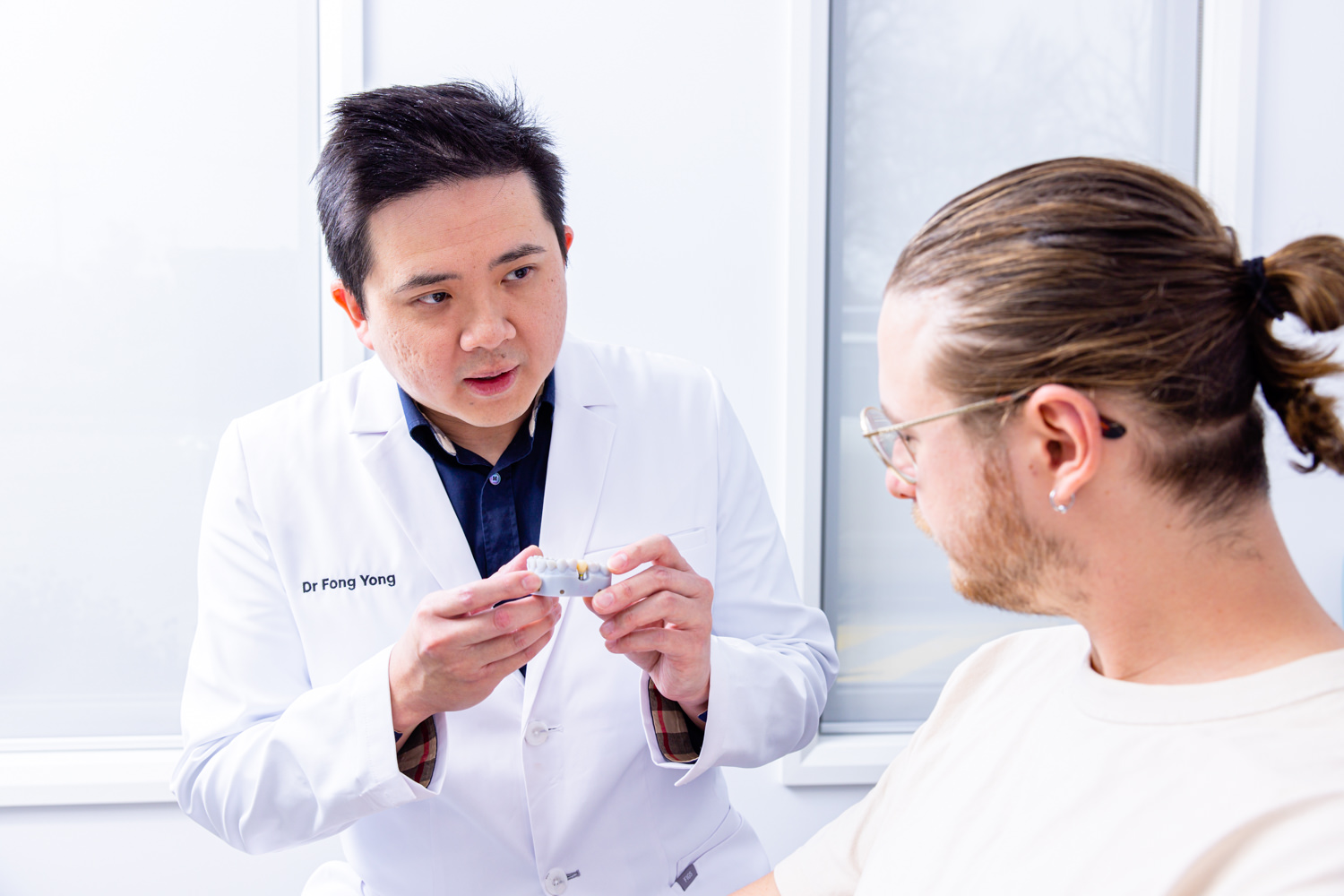
At Couture Implant Centre™ in Sunbury, Dr Fong Yong assesses gum health as part of comprehensive implant planning. Many patients with periodontal histories go on to receive successful implant treatment once underlying conditions are managed.
Understanding how gum disease affects your candidacy helps you prepare for the treatment journey ahead.
Why Gum Health Matters for Implants
Dental implants rely on healthy bone and tissue to integrate successfully. Gum disease destroys both, creating an unstable foundation for implant placement.
Active periodontal infection introduces bacteria that can attack implants just as they attacked your natural teeth. The resulting condition, called peri-implantitis, leads to implant failure if not addressed.
Bone loss from long-term gum disease may reduce the available structure for implant anchoring. This does not necessarily prevent treatment, but it affects planning and may require bone grafting.
Getting Your Gums Ready
Treatment for gum disease ranges from deep cleaning procedures to surgical intervention, depending on severity. Your specific situation determines the appropriate approach.
Mild to moderate disease often responds to scaling and root planing, a thorough cleaning that removes bacteria and calculus below the gumline. More advanced cases may require gum surgery to access deeper deposits.
Stabilisation takes time. Your gums need to heal and demonstrate sustained improvement before implant placement proceeds safely. This waiting period varies by individual.
The Assessment Process
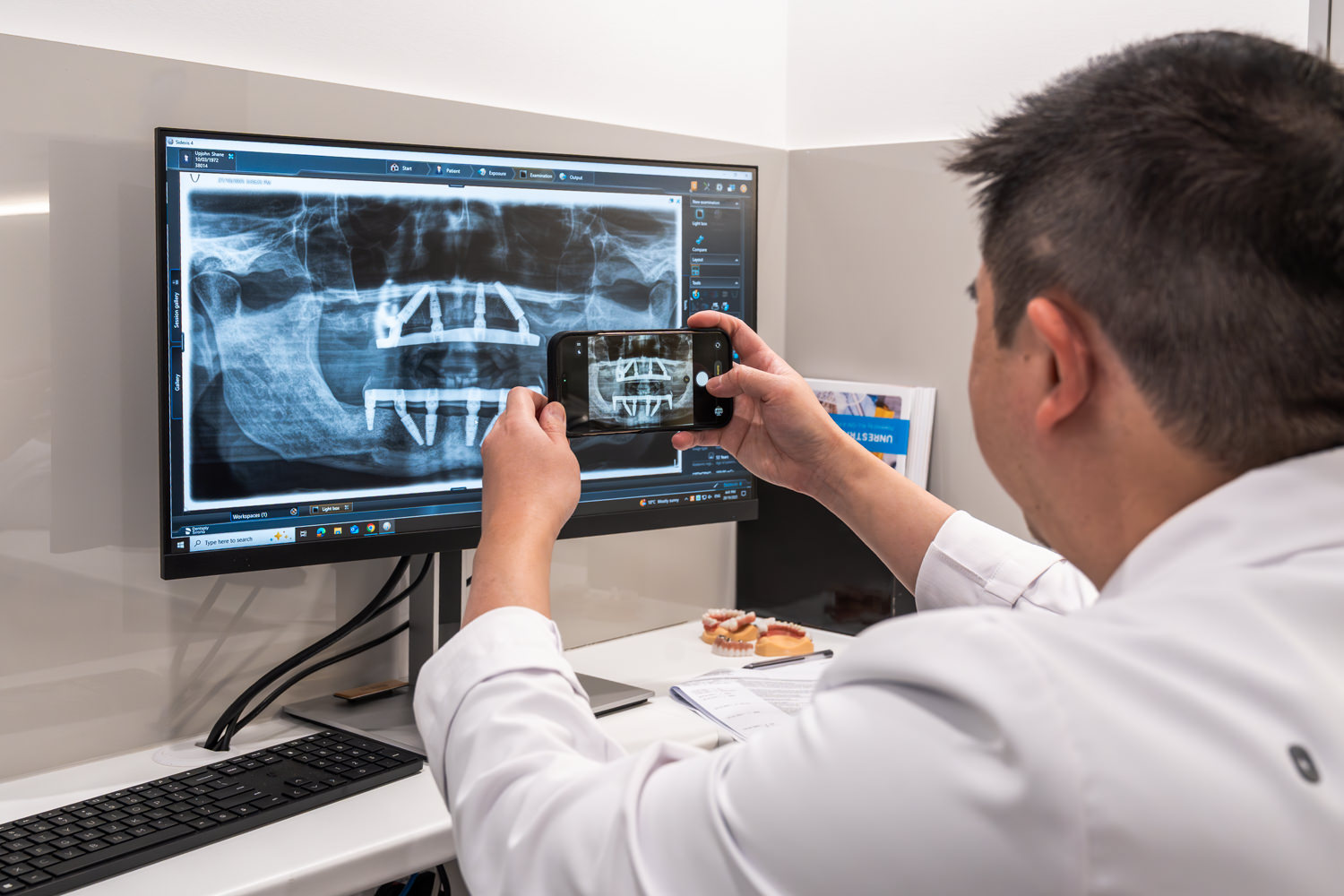
Comprehensive examination reveals your current periodontal status. Probing measurements, X-rays, and 3D imaging show the extent of any damage and available bone structure.
We assess whether your gum disease is active or controlled, what treatment you have already received, and how well you have maintained improvement. Your home care habits and commitment to ongoing maintenance factor into candidacy decisions.
At Couture Implant Centre™, bone grafting is included in treatment quotes at no additional cost when required. This removes one barrier for patients who need additional bone support.
Full-Arch Options for Extensive Damage
Patients with severe gum disease affecting multiple teeth sometimes find that extraction and full-arch replacement provides a fresh start. Removing compromised teeth eliminates the source of ongoing infection.
All-On-4 Plus® can provide fixed teeth on four to six implants, even in cases with some bone loss. The technique angles implants to use available bone more efficiently, often eliminating the need for separate grafting procedures.
This approach requires careful planning based on your specific anatomy. 3D imaging shows exactly what bone structure remains and where implants can be positioned successfully.
Long-Term Success Factors
History of gum disease means higher risk of peri-implantitis around implants. This reality requires commitment to excellent home care and regular professional maintenance.
Smoking significantly increases failure risk for patients with periodontal history. Cessation before treatment improves outcomes substantially.
Regular follow-up appointments allow early detection of any problems. Catching issues early prevents progression to implant failure.
Ready to Assess Your Situation?
Book a consultation at Couture Implant Centre™ to discuss your gum health and implant options. We provide honest assessment of your candidacy and clear pathways to treatment.
Call 13 COUTURE (03 8338 4377) or visit us at 12 Powlett St, Sunbury.
Results vary. Individual assessment required.